The Principles of Bioclimatic Design: Creating Sustainable and Comfortable Spaces
The Principles of Bioclimatic Design: Creating Sustainable and Comfortable Spaces
In today's world, where environmental concerns are at the forefront, architects play a vital role in creating sustainable and comfortable spaces. Bioclimatic design is a holistic approach that combines architectural principles with environmental factors to achieve optimal energy efficiency, comfort, and harmony with nature. In this blog, we will explore the key principles of bioclimatic design and how they contribute to the creation of sustainable and comfortable spaces.
Understanding Local Climate and Context
Bioclimatic design starts with a thorough understanding of the local climate and context. By studying factors such as temperature, solar radiation, wind patterns, and topography, architects can design buildings that respond effectively to their surroundings. Orientation, shading, and natural ventilation are strategically incorporated to maximize comfort and minimize energy consumption. Bioclimatic design in Vietnam by Kanopéa: https://www.kanopea-architecture-studio.com/tcportfolio/flexi-office-bureaux-bioclimatique-saigon/
Passive Solar Design
Passive solar design is a cornerstone of bioclimatic architecture. It harnesses the power of sunlight to heat and cool spaces naturally. By optimizing the building's orientation, window placement, and shading devices, architects can maximize solar gain in the winter and minimize it in the summer. This approach reduces the reliance on artificial heating and cooling systems, resulting in energy savings and increased comfort. Passive solar design in Vietnam by Kanopéa: https://www.kanopea-architecture-studio.com/tcportfolio/dojo-saigon-salle-sport/
Natural Ventilation
Bioclimatic design emphasizes the importance of natural ventilation in creating comfortable indoor environments. By strategically positioning openings such as windows, doors, and vents, architects can facilitate the flow of fresh air throughout the building. This not only provides better air quality but also reduces the need for mechanical ventilation, thus minimizing energy consumption.Thermal Insulation: Effective thermal insulation is crucial for maintaining comfortable indoor temperatures while reducing energy demands. Bioclimatic design integrates insulation materials and techniques that minimize heat transfer through walls, roofs, and floors. This ensures a stable indoor temperature, reduces the need for heating and cooling, and enhances energy efficiency.
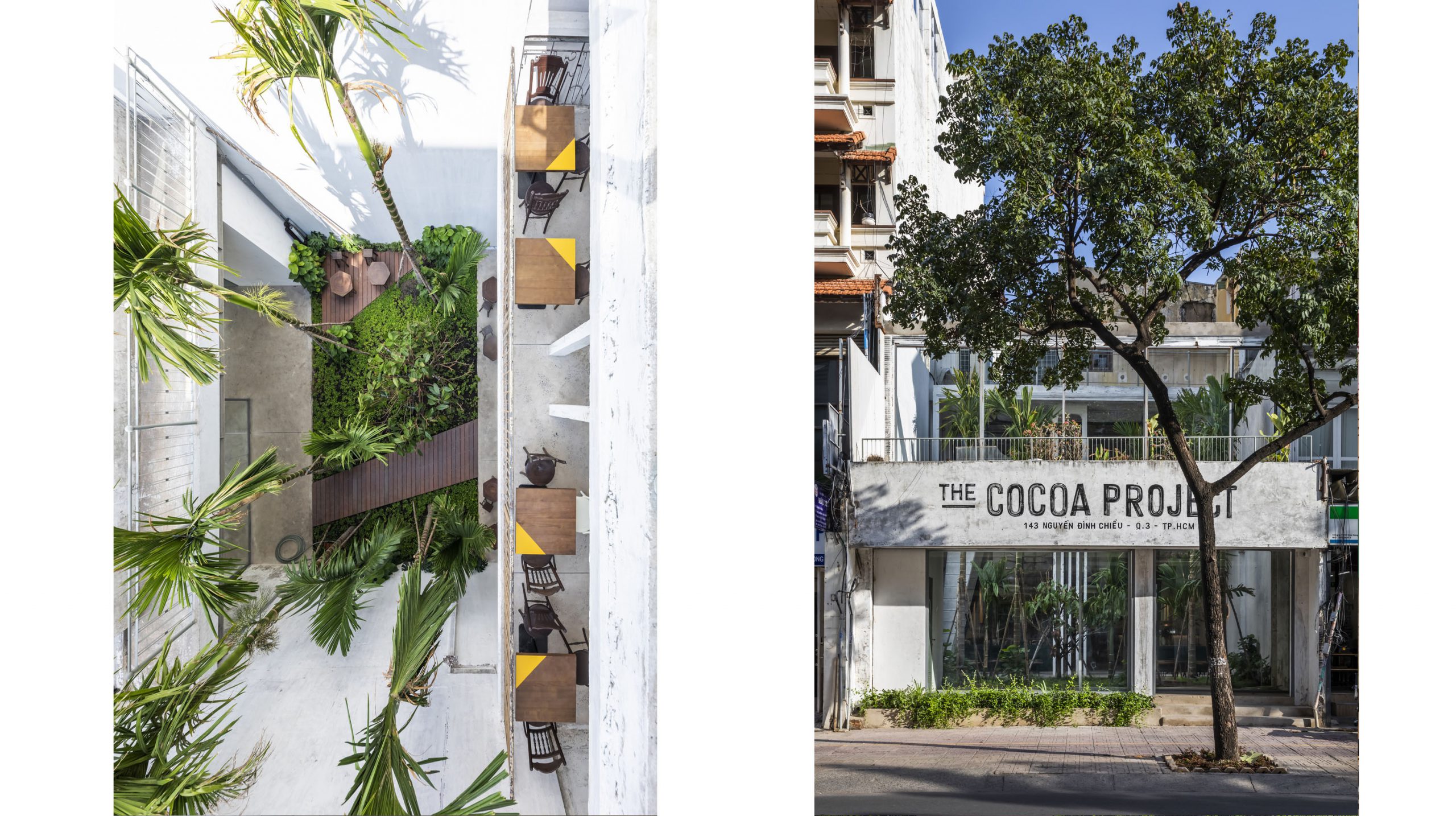
Natural ventitation in Vietnam by Kanopéa: https://www.kanopea-architecture-studio.com/tcportfolio/the-cacao-project-cafe-patisserie-saigon/
Efficient Use of Renewable Energy
Bioclimatic design promotes the integration of renewable energy sources to power buildings. Solar panels, wind turbines, and geothermal systems can be incorporated into the design to generate clean energy on-site. By utilizing renewable energy, architects can reduce reliance on fossil fuels, decrease carbon footprints, and contribute to a sustainable future.
Bioclimatic farm in Vietnam by Kanopéa: https://www.kanopea-architecture-studio.com/tcportfolio/hippo-farm-dortoirs-a-binh-hoa/Water Conservation
Bioclimatic design also emphasizes water conservation strategies. Efficient plumbing fixtures, rainwater harvesting systems, and graywater recycling are incorporated to reduce water consumption and promote sustainable water management. These practices help preserve this precious resource and contribute to overall environmental sustainability.
Floating hotel designed by Kanopéa: https://www.kanopea-architecture-studio.com/tcportfolio/hotel-habitat-flottant-bois-architecte-france/
Bioclimatic design is a powerful approach that combines architecture, sustainability, and comfort. By understanding and responding to the local climate and context, utilizing passive solar design, incorporating natural ventilation, optimizing thermal insulation, integrating renewable energy sources, and promoting water conservation, architects can create spaces that are not only environmentally friendly but also comfortable and enjoyable to inhabit. By adopting these principles, we can pave the way for a more sustainable and resilient future in architecture and design.
Where to find a bioclimatic architecture agency?
Visit Kanopéa for consultation


Comments
Post a Comment